
There is no shortage of education and knowledge in South Africa. However, there is a shortage of quality leadership thought and action to turn education and knowledge into value. This library aims to be a source of wisdom on how great leaders think about governance, risk, ethics, compliance, and sustainability matters, and how they facilitate better outcomes in their sphere of influence. Links to reliable technical resources are provided.
LEADERSHIP

Review by Christelle Marais

This in-depth analysis of how the largest economies of 4 000 years ago operated provides insights into how we operate today. "Generally, the rulers of the core...powers treat the symptoms rather than the causes of instability...the violent destruction of...civilizations... was...the inevitable result of limited foresight. We are...more susceptible than we...think. We should be thankful that we are...advanced enough...to fix things, rather than simply passively accept things as they occur."

Review by Christelle Marais

From someone who was successful, lost everything, and became even more successful, we learn of the importance of leadership. "Three questions kept me busy for a long time: How does one make a company grow? When are people happy? What's the key to [the] success of a company? The answer is ultimate empowerment. People who are well read, have well considered opinions, are honest, can communicate, can stick it out, are self-confident, care for people, ...and can think, are the best."
Review by Christelle Marais

The essence of taking an individual and collective stance against wrongdoing, is understanding the risk to the most vulnerable in society when democracy fails. "South Africa's relatively sophisticated banking system but poor policing makes it an ideal centre for criminal activities." Good intent is not enough when dealing with other people's money and future. Professional cynicism together with a resolute commitment to doing what is right, is nonnegotiable to preserve the rule of law and democracy.
Review by Christelle Marais

Most striking, is the many warnings about what was happening in the Free State, such as Patrick Lekota, who's concerns were ignored or purposely thwarted; the Goldhawk Report, with scathing findings on irregular loans; the Auditor-General, with reports on the lack of financial controls and disregard for legislative compliance; Beatrice Maarshoff, trying to appoint competent MECs, but instructed to appoint Ace Magashule; and Noby Ngombane, whose efforts to implement oversight of municipalities cost him his life.
Review by Peter Zonneveld
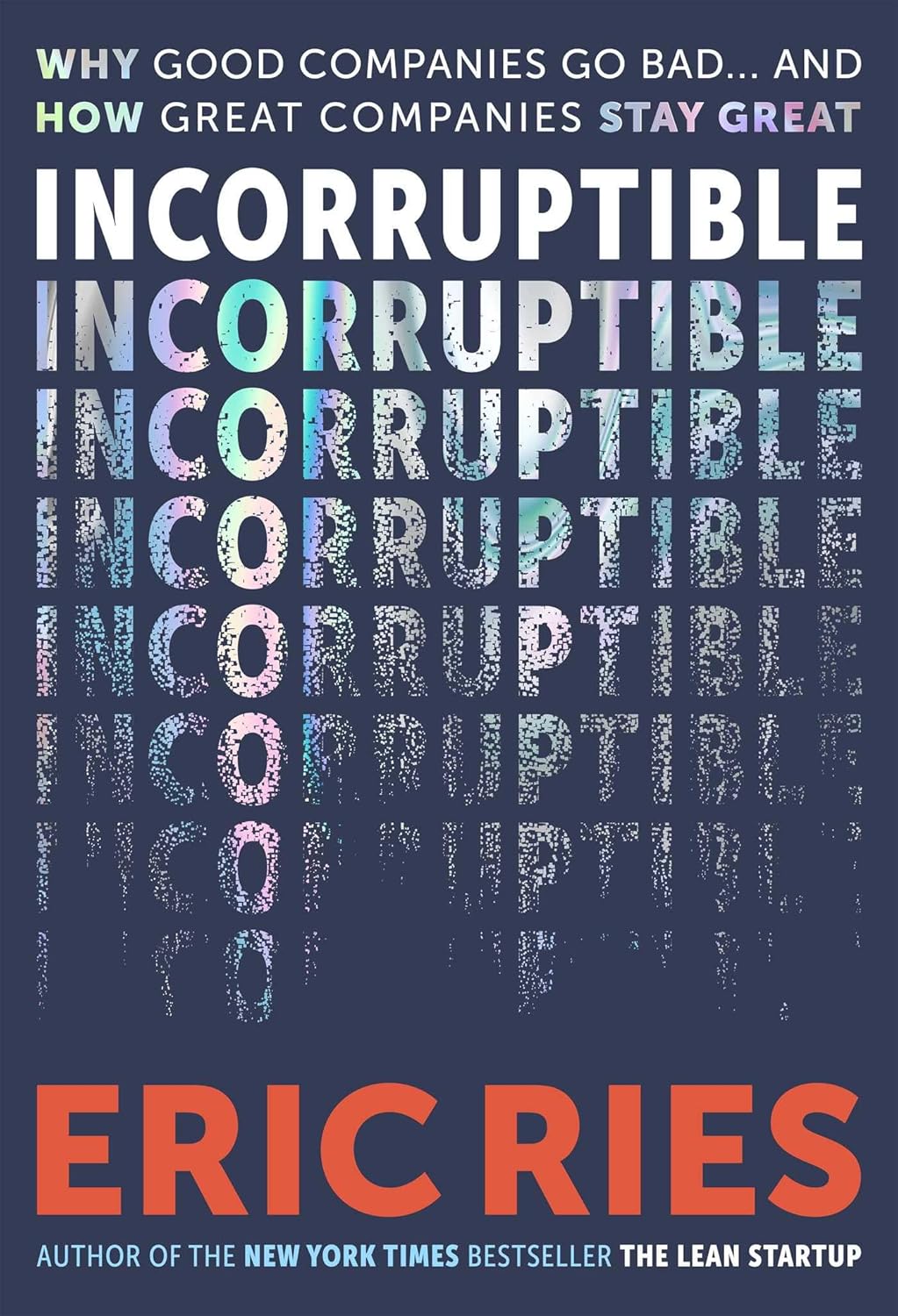
For anyone who has grappled with thte tension between doing good versus focusing on profit, or short-term gains over long-term sustainability, this book provides the moral compass and tools to enable leaders to architect a morally defensible future. "It is time to recognize that operations and governance are two sides of the same coin. Builders create the value that governance is meant to protect." There is overwhelming evidence that mission-led companies outperform conventional competitors and achieve better long-term results.

Review by Peter Zonneveld

A striking investigation that exposed the realities of the illegal trade in the world's most trafficked mammal. The book reveals complex networks of wildlife crime syndicates, risks related to poaching and wildlife trafficking, broader consequences for biodiversity and global health, ethical dilemmas, governance challenges, and compliance challenges. "It is stunningly irresponsible that, with over 100 years of evidence that animals can be vectors of viruses deadly to humans" this trade still continue unabated and largely unaddressed.
Review by Peter Zonneveld
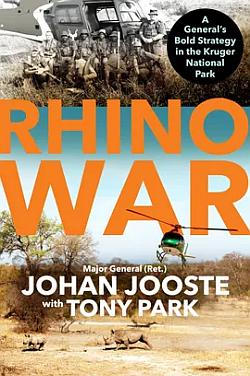
A compelling narrative that delves into how criminal syndicates take advantage of weak institutions, political meddling, and corruption - to create an unstable system in which conservation efforts inevitably fail. The larger socio-economic and security challenges that drive the poaching crisis necessitates structural reform to address systemic failures. "One thing was clear: I needed to act decisively and swiftly and...the courage to take calculated risks. While I needed more information, there was no time for 'analysis paralysis'."

Review by Taka Sande

An empowering reflection on the corporate governance shifts for organisations and aspiring leaders (specifically Non-Executive Directors) post the COVID-19 pandemic to encourage confident, resilient, and impactful leadership in boardrooms. Following the pandemic, significant transformations unfolded, prompting a profound reassessment of governance norms to deal with economic unpredictability, ESG considerations, digital integration, and cyber threats (amongst others). "Good corporate governance is essential for long-term success and sustainability."

Review by Ravi Naicker

Some of South Africa's wealthiest individuals live in Stellenbosch: all male, all Afrikaans - and all mega-wealthy. Who really are the members of this 'club' of billionaires, how are they connected, and what influence do the exert on South African society? What network of boardroom membership, alliances and family connections exist? Who are the 'old guard' and who are the 'inkommers', and what about the youngsters desperate to make their mark? Does the collapse of Steinhoff indicate that there are other companies at risk of a similar fate?
Review by Annalie Smith
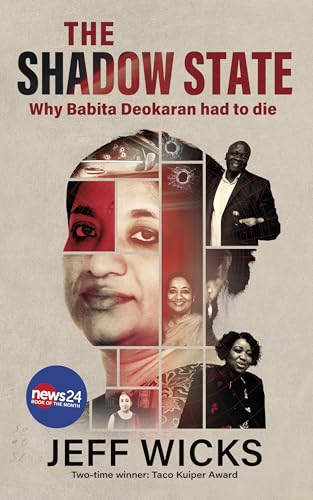
What started as a news story and a promise to Babita's brother eventually exposed a complex web of transactions and the inner workings of procurement corruption on a national level. When the State is captured, the tone is set at the top. Internal controls, audit reports, automation, and good processes remain ineffective until the players are brought to justice from the top down. The Shadow State's deliberate lack of appetite for automation facilitates the extortion of a predominantly paper-based procurement system - and a vested interest in keeping it that way.

Review by Annabel Klopper
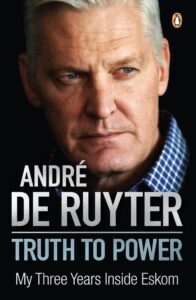
A harrowing account of De Ruyter's 3-year tenure at the helm of Eskom unfolds across 3 layers: The personal toll of leading under constant threat, the organisational challenge of saving a crumbling monopoly, and the national crisis of energy security. His tenure culminated in a near-fatal poisoning attempt, starkly remining us of the personal risks faced by ethical leaders in high-stakes jobs. De Ruyter's message for the future is inspiring: Leaders eat last. Never believe that you are untouchable as a leader, no matter the perceived status of another.



This KWIK-series aims to start conversations amongst individuals, social groups, and in organisations. We share practical knowledge - built up over decades, and which would have helped us if we knew it earlier. We believe that people between 25 and 45, if they have access to this knowledge, are ideally placed to lead society to help rebuild South Africa.





GOVERNANCE


RISK


by Kay Darbourn
Founding and Honorary Life Member of the Institute of Risk Management

by Kay Darbourn
Founding and Honorary Life Member of the Institute of Risk Management




ETHICS


COMPLIANCE


SUSTAINABILITY


